Overview Emergency spider control Toronto for homes and businesses
Overview Emergency spider control Toronto for homes and businesses
Blog Article
A sudden spider sighting does not always mean you have a significant problem. A few spiders may enter through one open door, window, or crack. The situation deserves prompt action when you see repeated activity, dense spider webs, egg sacs, or spiders in areas used by staff, customers, children, or pets.
Spider Control Toronto services can help identify the source, remove visible spiders, and reduce the conditions that support a spider infestation. Emergency spider control may be needed after a burst of insect activity, a discovery in a basement or storage room, or a concern about possible spider bites. A reputable pest control company should explain the treatment plan, safety steps, response time, and follow-up requirements before work begins.
Mosquito Man is one business name you may come across when comparing pest services. Ask any provider how it responds to emergency spider control, what products it uses, and whether the service includes tips to prevent pests as well as spider removal.
When Spider Problems Require Emergency Control
Most spiders are not aggressive, and a single spider seldom calls for an emergency visit. A quicker response makes sense when the problem affects health and safety, business operations, or your ability to use part of the property.
Request emergency pest control when you notice any of the following:
- Numerous spiders appearing over several days, especially indoors.
- Web buildup around doors, work areas, stairwells, lights, or customer-facing spaces.
- Egg sacs attached to walls, ceilings, boxes, plants, or stored equipment.
- Spiders appearing in a bedroom, nursery, food preparation area, or workplace.
- Activity following a renovation, move, flood, plumbing issue, or long vacancy.
- A bite that causes severe pain, spreading redness, swelling, breathing trouble, or other concerning symptoms.
Do not handle egg sacs with bare hands. Removing with a vacuum visible webs can remove signs of activity, but it may not address harbourage areas or the insects that attract spiders. Take a clear photo from a safe distance, note where and when you saw the spider, and keep people and pets away from the area until you receive guidance.

Frequently Seen Spiders Found in Toronto Properties
Reliable spider identification lets a service technician pick the best response. Size, colour, web shape, and location offer useful clues, but a photo or specimen may be needed for a reliable identification.
Common House spiders
House spiders often build messy webs in undisturbed corners, storage areas, window frames, and garages. They follow food sources such as flies and other small insects. Routine web removal and sealing gaps can lower indoor spiders over time.
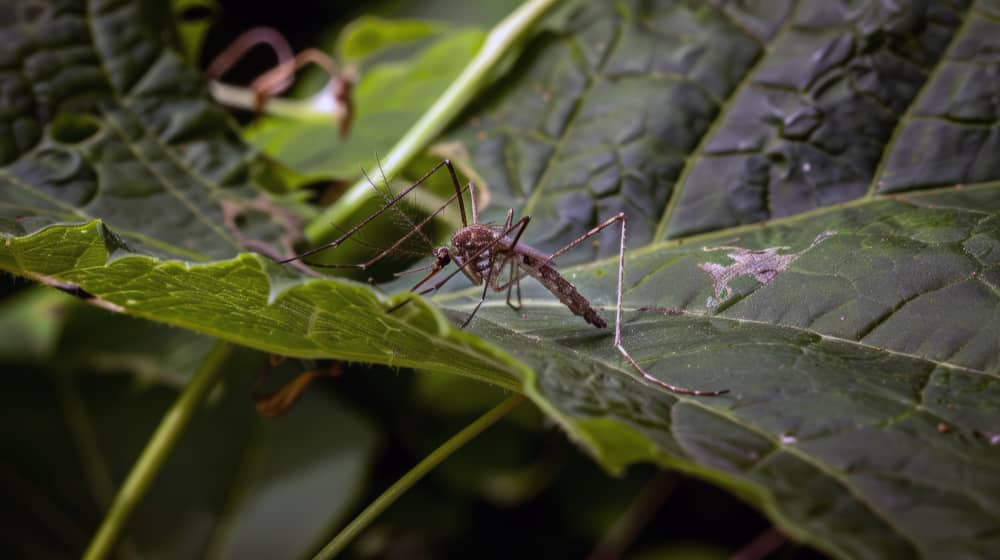
Cellar spiders
Cellar spiders have long, thin legs and often rest in loose webs in basements, utility rooms, crawl spaces, and other low-traffic areas. Cellar spiders are usually more of a nuisance than a danger. Their presence can still indicate moisture, clutter, or a steady supply of insects.
Ground-hunting Wolf spiders
Wolf spiders are active hunters rather than web-dependent spiders. They may get indoors through door gaps, foundation cracks, or other entry points. Their size can make them startling, especially when they appear indoors, but identification remains more useful than guessing from appearance alone.
Garden Orb-weaver spiders
Orb-weaver spiders create large, round webs outdoors near lights, gardens, fences, and building exteriors. They often catch moths, flies, and other flying insects. Moving lights away from doors and limiting exterior insect activity can discourage new webs.
Are Spiders in Toronto Unsafe?
Most spiders found around houses and businesses do not pose a major threat to people. Venomous spiders exist, but severe incidents are rare. A spider can still cause fear, and spider bites may become painful, inflamed, or infected if scratched.
Get medical advice for intense pain, rapidly increasing swelling, breathing problems, dizziness, fever, or a reaction that worries you. Do not assume every skin mark resulted from a spider. Many bites and rashes have different causes, and a professional should not identify a spider from a skin reaction by itself.
A risk assessment considers the species, location, number of spiders, access to the area, and the people or animals using it. A child care area, sleeping space, food premises, or public entrance may require a quicker response even when the species appears unlikely to cause harm. Public health concerns also include contamination of work surfaces, customer confidence, and repeated exposure to pest activity.
Do not crush or pick up an unfamiliar spider. Photograph it if you can do so safely. A pest professional can advise whether removal, monitoring, or a focused treatment is appropriate.
Indoor Spider Removal for Residential Properties
Residential spider problems often originate outdoors and enter the home through tiny cracks. Basements and garages are common starting points because they offer darkness, clutter, damp conditions, and insect activity. Window edges, vents, foundation seams, and door thresholds can create entry routes.
A residential visit should check:
- Basement areas, garage spaces, storage areas, and utility spaces.
- Window edges, window screens, vents, and exterior doors.
- Foundation cracks, pipe openings, cable entry points, and roofline gaps.
- Areas with cardboard, firewood, stored equipment, or thick plant growth.
- Spots with condensation, leaks, standing water, or limited airflow.
Before the visit, move stored items away from walls where possible. Place children and pets out of the treatment area. Do not spray household chemicals over the spider or its web, since mixed products can interfere with a professional treatment plan.
Spider removal may cover vacuuming visible spiders and spider webs, removing egg sacs, correcting access points, and treating selected harbourage areas. The right approach depends on whether the activity is concentrated in one room or present throughout the property.
Spider Control for Businesses
Commercial properties need a service plan that protects people, operations, and the customer experience. Spider activity near entrances, washrooms, loading areas, storage rooms, or display spaces can trigger complaints and slow normal work.
Office buildings may notice activity around lights, window frames, mechanical rooms, and infrequently used storage areas. Retail spaces often need service near doors, signage, stock rooms, and exterior displays. Food premises require thoughtful planning because sanitation, food protection, and treatment timing must work together.
Commercial pest control should open with a discussion about the building’s schedule and sensitive areas. A provider may recommend service outside operating hours, temporary access restrictions, or specific preparation steps. Food, utensils, packaging, and exposed work surfaces must be kept safe as directed.
Good service addresses the cause, not only the visible spider. The technician should look for insect activity, food sources, door gaps, moisture, lighting that attracts flying insects, and clutter that creates shelter areas. A written treatment record can help staff record recurring spider activity and confirm when follow-up work is due.
Emergency service can also support property protection after a tenant report, customer complaint, or discovery in a high-traffic area. Ask whether the provider offers a follow-up treatment and practical spider prevention guidance for staff.
How Professional Spider Control Works
A trained visit usually uses a simple sequence. The service opens with questions about spider sightings, timing, previous treatments, building use, and any known insect activity.
Property check
During the property inspection, the technician checks indoor and outdoor areas where spiders stay or feed. This can include basements, garages, roof edges, window frames, storage spaces, entry points, and areas with moisture. Photos and notes may help track activity during later visits.
Web removal
Web removal clears visible spider webs and helps identify new activity. Egg sacs require careful attention because they may contain many young spiders. Removing webs alone does not stop the problem if insects continue to enter or if cracks remain open.
Targeted application
A targeted pest treatment targets areas that support spider activity. Depending on the assessment, this may involve a residual treatment around selected exterior surfaces, cracks, voids, or harbourage areas. Pesticide application should comply with the product label and the provider’s safety instructions.
Follow-up visit
A follow-up service confirms whether activity has declined and whether new access points or food sources remain. Some properties need a single visit. Others benefit from a follow-up treatment because egg sacs may hatch or new insects may continue to enter.
The service plan should outline what you need to do before and after treatment. It should also explain what level of activity is expected during the first few days and when to report a new sighting.
Spider Management Services That Are Suitable for People and Pets
Safety depends on the product, application method, ventilation, property conditions, and your ability to follow re-entry instructions. No treatment should be described as risk-free. A responsible provider recommends the least disruptive option that meets the inspection findings.
Integrated pest management combines inspection, sanitation, exclusion, monitoring, web removal, and carefully selected products. This approach can reduce the need for broad pesticide application. Low-toxicity products may be suitable in some situations, but the label and technician’s instructions still determine how the product is used.
Consult the provider:
- Which rooms or outdoor areas will be treated?
- How should food, dishes, toys, bedding, and pet items be protected or taken away?
- How long should people and pets remain away?
- Is ventilation necessary before re-entry?
- What should you do if a pet licks or contacts a treated surface?
- Will the service include a written record of the product and instructions?
Pet-safe pest control means the service accounts for pets during preparation, application, and re-entry. Fish, birds, reptiles, and small animals may have varying sensitivities, so tell the provider about every animal on the property. Never allow a pet back into a treated area until the service technician confirms that re-entry is appropriate.
How to Stop Spiders from Returning
Prevention works best when you limit both access and food. Spiders follow insects, so outdoor insect control and sanitation can affect indoor activity.
Close access points
Crack sealing around foundations, windows, vents, and pipe openings can block common routes inside. Replace damaged window screens and repair door gaps. Door sweeps help stop the space beneath exterior doors, where spiders and insects can enter.
Adjust outdoor conditions
Move exterior lighting away from doors when practical, or choose bulbs that attract fewer flying insects. Trim vegetation away from walls and remove leaves, boards, and unused items that create hiding places.
Manage moisture
Keeping moisture low helps in basements, garages, crawl spaces, and utility rooms. Fix leaks, improve air circulation, empty containers that hold water, and use a dehumidifier when suitable. A dry, uncluttered space offers fewer hiding places and food sources.
Keep up routine checks
Vacuum corners and ceiling edges, remove new webs, inspect storage boxes, and keep screens in good condition. Frequent checks can reveal recurring spider activity before it spreads. Businesses should include exterior doors, stock rooms, waste areas, and lighting in routine inspections.
Spider Control Toronto Costs and Response Times
Service pricing varies because each property presents a different task. A small apartment with one active room may need less work than a large commercial building with multiple entrances, storage areas, and exterior treatment zones.
Typical pricing factors include:
- Property size and number of rooms or service areas.
- Infestation severity and the number of visible webs or egg sacs.
- Indoor, outdoor, or combined treatment requirements.
- Access conditions, clutter, height, and sensitive work areas.
- Inspection findings and the need for crack sealing or other exclusion work.
- Whether the visit is a one-time service, emergency call, or scheduled programme.
Request a written quote that separates inspection, spider removal, targeted treatment, exclusion work, and follow-up treatment. The lowest initial price may not address the source of activity. A clear quote helps you compare the actual scope of service.
Same-day response depends on technician availability, travel time, property access, the urgency of the report, and the service area covered by the provider. Same-day pest control may be available for some homes and businesses, while other appointments may require more time. Tell the provider whether the issue affects a public area, food premises, sleeping space, or someone who has suffered possible spider bites.
Before booking Spider Control Toronto treatment, verify arrival expectations, preparation steps, treatment areas, re-entry rules, payment terms, and follow-up options. These details matter during an urgent call.
Common Questions
What types of spiders are common in Toronto?
Spiders commonly found include house spiders, cellar spiders, wolf spiders, and orb-weaver spiders. House and cellar spiders often turn up indoors in low-traffic areas. Wolf spiders may enter through gaps, while orb-weaver spiders usually create webs outdoors. A clear photo can support spider identification, but a professional may need to examine the property for confirmation.
Can Toronto spiders harm people?
Most spiders found around homes and businesses are not dangerous to people. Venomous spiders are uncommon, but spider bites can still cause swelling, pain, or an allergic reaction. Avoid handling an unfamiliar spider right here and seek medical advice for severe or worsening symptoms. A pest professional can complete a risk assessment based on the species and property conditions.
How do I stop spiders from getting into my home?
Seal cracks, repair window screens, install door sweeps, close door gaps, reduce clutter, and manage moisture. Move exterior lights away from entrances where practical because lights attract insects that become food sources for spiders. Clean away webs regularly and inspect basements, garages, and window frames.
When is it time to contact a spider control professional?
Call when you see repeated indoor activity, many spider webs, egg sacs, spiders in sensitive areas, or activity that continues after cleaning. Professional pest control is also sensible when you cannot identify the spider, when a business receives complaints, or when someone reports concerning symptoms after a possible bite.
What is the cost of spider control in Toronto?
The cost depends on property size, infestation severity, treatment areas, access, exclusion work, and whether you request emergency service. Ask for a written quote that explains the inspection, removal, treatment, and follow-up work. This gives you a clearer comparison than a single base price.
What spider control treatments are safe for pets?
A pest professional can outline options after considering the property, pest activity, and the animals present. Integrated pest management may include sanitation, exclusion, monitoring, and a targeted pest treatment. Keep pets away during pesticide application and respect all re-entry instructions. Tell the provider about birds, fish, reptiles, and small animals because their safety needs may differ.
How quickly can a Toronto pest control company respond?
Response times are affected by availability, access, scheduling, and the type of property. Some providers offer same-day pest control for urgent reports, while others arrange the next available appointment. Explain the location of the activity, the number of sightings, and any health or business concern when you call.
Can spider infestations return after treatment?
Yes. New spiders can return if insects remain available, moisture persists, or entry points stay open. Crack sealing, door sweeps, moisture control, sanitation, web removal, and regular monitoring lower the chance of recurring infestations. A follow-up treatment may be needed when egg sacs hatch or recurring spider activity continues.
Report this page